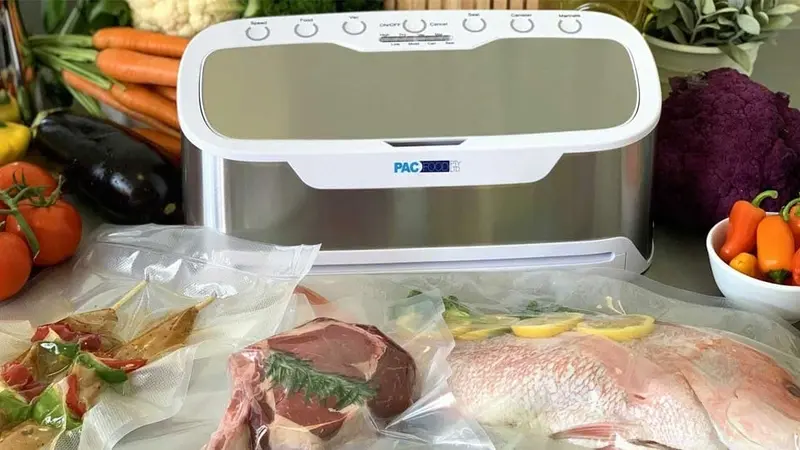
Vacuum sealing has become a popular way to preserve food, reduce waste, and extend freshness in Aussie kitchens. Whether you’re storing leftovers, marinating meats, or prepping bulk buys from the supermarket or butcher, a food vacuum sealer can make everyday meal planning more efficient and cost-effective. With a wide variety of models available in Australia, choosing the right one depends on your needs, kitchen space, and budget.
Here’s a straightforward guide to help you select the vacuum sealer that’s best suited to your lifestyle.
Consider How Often You’ll Use It
The first question to ask yourself is how frequently you plan to vacuum seal food. Occasional users who want to store leftovers or freeze seasonal produce may prefer a basic model that’s easy to operate and compact in size.
If you cook regularly, entertain often, or buy in bulk, you might benefit from a mid-range or commercial-grade sealer. These tend to have stronger suction, larger bag capacities, and more advanced features that support frequent use.
Look at the Sealing Power and Suction Strength
Not all vacuum sealers are created equal when it comes to performance. Stronger suction ensures more air is removed from the bag, which helps prolong the shelf life of your food. Commercial-style models typically provide higher vacuum strength and are better suited for tougher sealing jobs.
If you plan to seal liquids or moist foods, look for models with adjustable suction settings. This prevents messy spills and ensures an effective seal every time.
Choose the Right Bag Size Compatibility
Food vacuum sealers work with specific bag sizes and roll widths. Before purchasing, consider whether the machine accepts standard Australian bag sizes or requires proprietary bags.
Some models allow you to use custom lengths from a roll, which gives you flexibility and can reduce waste. Others use pre-cut bags, which may be more convenient but could limit sealable item sizes.
Check for Special Features
Modern vacuum sealers often include features that enhance convenience and versatility:
- Moist/dry food modes – Adjusts suction and sealing settings based on food type.
• Pulse function – Lets you control air removal manually for delicate items.
• Pulse or gentle mode – Good for fragile foods like berries or delicate pastries.
• Built-in cutter – Helps you create custom bag lengths from rolls.
• Accessory ports – Enables sealing in containers or wine stoppers using attachments.
Think about which features you’re likely to use most frequently and choose a model that aligns with your routine.
Size and Storage Requirements
Space matters in any kitchen. Larger, commercial-style units offer powerful performance but can take up significant bench space. Smaller, portable models are ideal for tighter kitchens or occasional sealing.
Consider where the sealer will be stored when not in use. Compact models are easier to tuck away, while larger systems may need a dedicated spot.
Budget and Long-Term Value
Price ranges for vacuum sealers in Australia vary widely depending on features, build quality, and suction power. Basic units are more affordable but may wear out faster under heavy use. Mid-range and higher-end models often provide better reliability and longer service life.
Think of your purchase in terms of value rather than just initial cost. A more durable model may save you money over time through better performance and fewer breakdowns.
Warranty and After-Sales Support
Good customer support and a solid warranty add peace of mind. Check what’s included with your purchase and whether spare parts or replacement bags are readily available in Australia.
Reliable after-sales service can be especially valuable if you plan to use the sealer frequently.
Final Thoughts
Choosing the right food vacuum sealer for your home doesn’t have to be overwhelming. By considering how often you’ll use it, the types of food you’ll be sealing, and the features that matter most to you, you can select a model that fits your lifestyle and budget. With the right vacuum sealing system in your kitchen, food lasts longer, waste is reduced, and meal prep becomes easier and more efficient.